VITAGE
Uruguay's pioneering adaptogen and functional mushroom brand, ready to scale
A validated wellness ecosystem positioned for scale
VitAge represents a unique opportunity to acquire Uruguay's first ecommerce specialized in adaptogens and functional mushrooms — a brand with proven commercial traction and a highly engaged community.
May 2025–2026 vs. prior period
Up from 21.1% the prior year
Instagram followers, zero paid growth
UYU per order, +8.8% YoY
The wellness paradigm is transforming
Uruguayan consumers increasingly seek natural solutions to complement — not replace — traditional medicine. In 2022, no specialized channel existed for this category. VitAge built it.
Riding the wellness wave into Latin America
The global wellness economy continues its exponential growth. VitAge's founders identified this gap in Uruguay years ahead of local competitors, backed by academic research into the Uruguayan and South American market.
More than products. A wellness ecosystem.
Founded in 2022 by mother and daughter Cinthia Soca and Agatha Inzaurralde, VitAge operates at the intersection of specialized supplements, digital community, and educational content.
Brand
Uruguay's pioneer in adaptogens and functional mushrooms — registered trademark under Kalavinka SAS
Ecommerce
vitageuy.com, live since 2023, with a 30.7% repeat-purchase rate and daily sales
Community
Nearly 15,000 organic Instagram followers, 5,000+ newsletter subscribers, 5,000 Manychat contacts
Education
Blog, free adaptogen course, YouTube channel, and content grounded in Chinese medicine and Ayurveda
Built before the trend, leading the category
VitAge opened and validated the adaptogen and functional mushroom category in Uruguay — a market that simply did not exist before 2022.
Foundation
Kalavinka SAS founded; VitAge brand created and registered in Uruguay
Ecommerce Launch
vitageuy.com goes live; first encapsulated adaptogen line in Uruguay
Content & Community
Educational strategy built on wellness, TCM & Ayurveda; community-led growth
Portfolio Expansion
Catalog grows from 4 to 14 SKUs; community nears 15,000 followers
China Certification
Founders certified in Functional Food Development in Beijing; free course & YouTube launch
Ready to Scale
71.3% YoY sales growth; manual production at full capacity — needs an industrial partner
14 SKUs across three specialized lines
Formulations backed by Certificates of Analysis (COA) from certified Chinese laboratories on every batch — véanse Línea Adaptógenos, Blends Funcionales Veganos, and Dermocosmética.
Adaptógenos
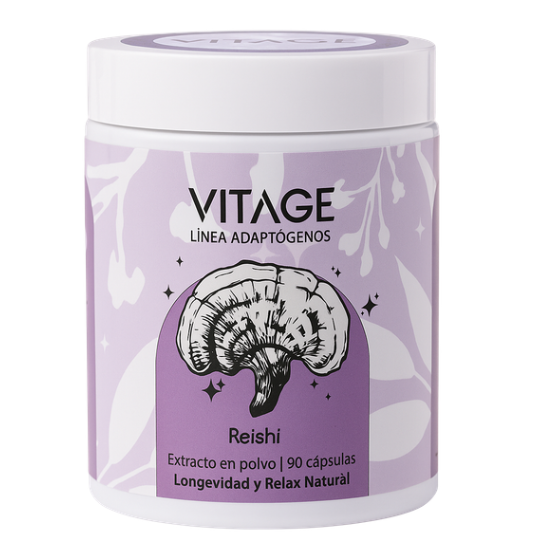
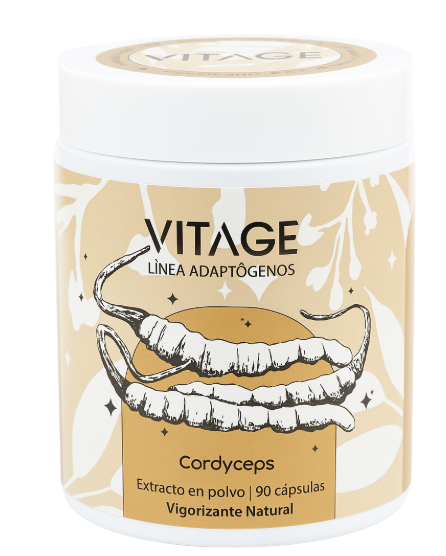
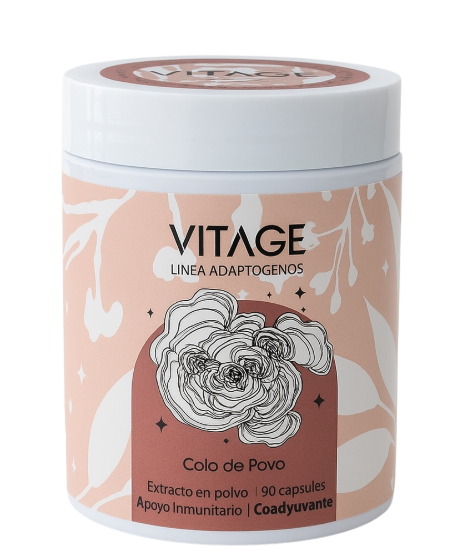
Blends Funcionales Veganos
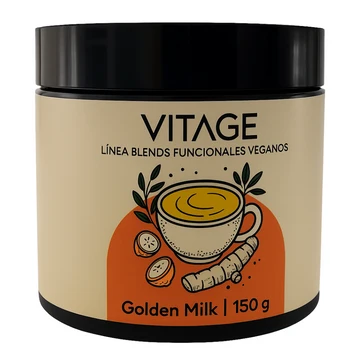
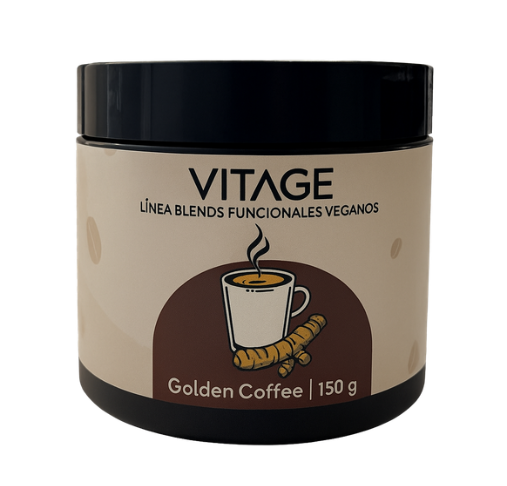
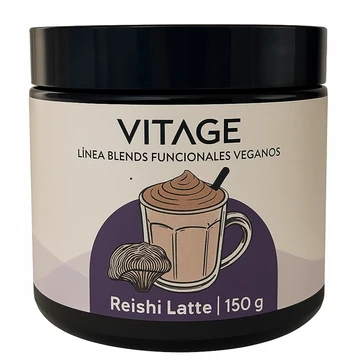
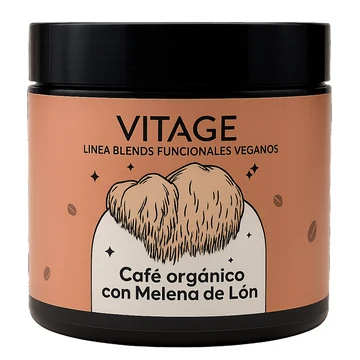
Dermocosmética

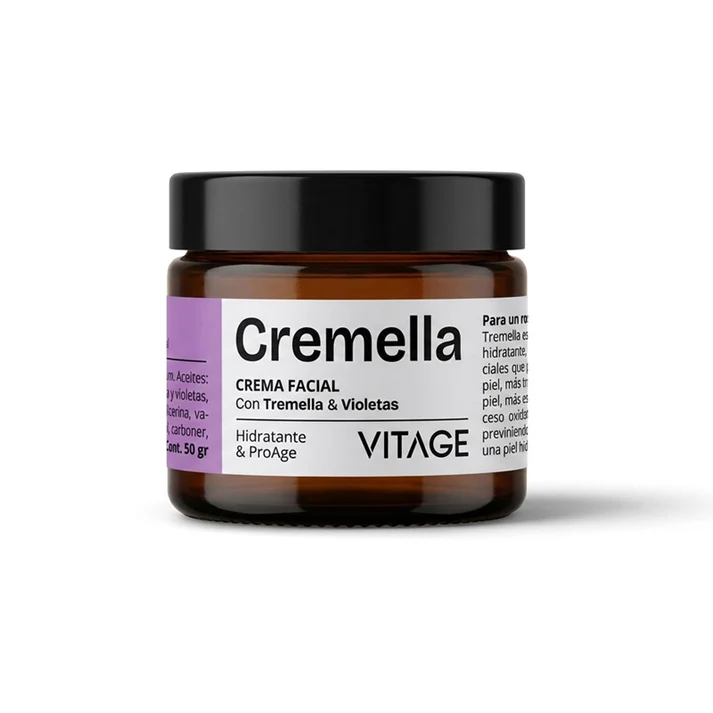
Complete VitAge product portfolio
Every formulation carries the VitAge visual identity — consistent packaging, botanical illustration, and TCM/Ayurveda-inspired naming across all lines.
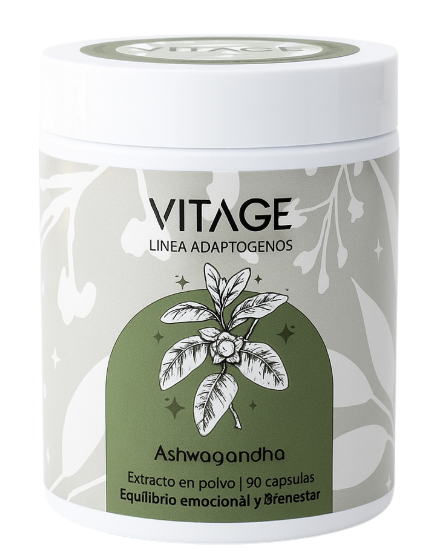
Ashwagandha
Cápsulas · 90u
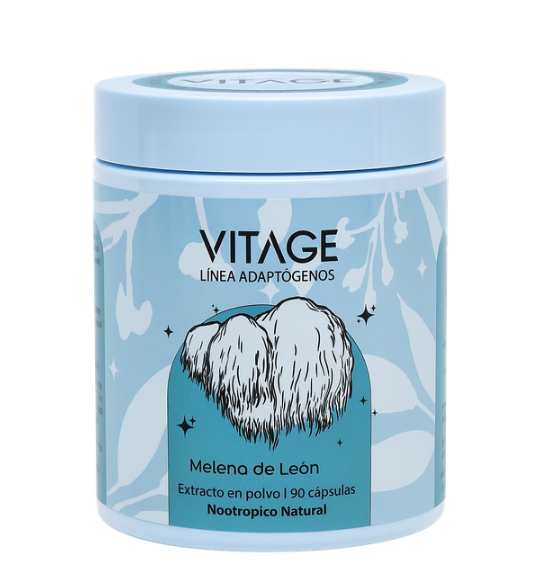
Melena de León
Cápsulas · 90u
Reishi
Cápsulas · 90u
Cordyceps
Cápsulas · 90u
Cola de Pavo
Cápsulas · 90u
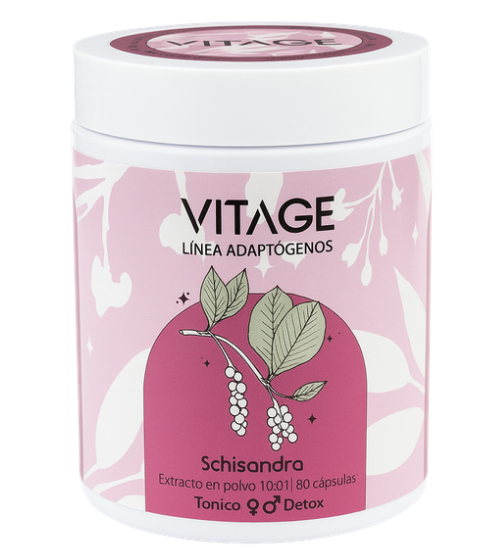
Schisandra
Cápsulas · 80u
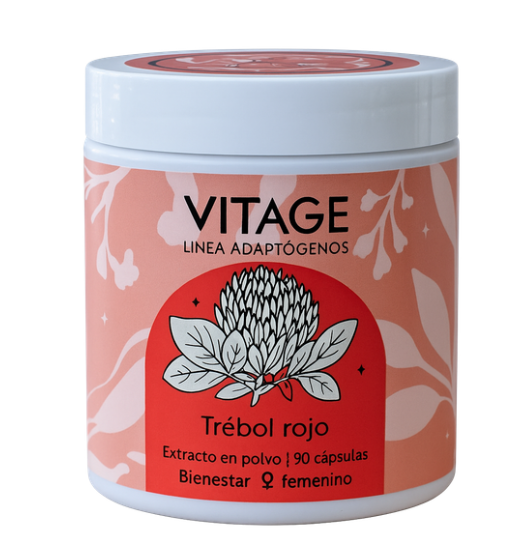
Trébol Rojo
Cápsulas · 90u
Golden Milk
150 g
Golden Coffee
150 g
Reishi Latte
150 g
Café Orgánico con Melena de León
150 g
Cremshi
Crema de Manos · Reishi & Rosa Mosqueta
Cremella
Crema Facial · Tremella & Violetas
The modern wellness-conscious consumer
Educated, digitally-native consumers who see natural wellness as an investment in prevention, not a discount-driven purchase.
Demographics
25-55
Mostly F
Medium-High
Medium-High
Behaviors
- Habituated to online shopping
- Values educational content over discounts
- Prioritizes preventive wellness & longevity
- Seeks stress, sleep, energy & hormonal balance
- Trusts reviews and word-of-mouth recommendations
- Views natural products as a complement to traditional medicine
Digital-first with diversified growth paths
A proven direct-to-consumer model with clear expansion opportunities into retail, subscriptions, and regional markets.
DTC Ecommerce
vitageuy.com drives ~70–80% of measured sales
Instagram & WhatsApp
Advisory, closing & follow-up sales — an estimated +50% on top of ecommerce
Newsletter
5,000+ subscribers driving repeat purchase and education
Manychat Automation
5,000 contacts with a trained wellness chatbot
Reseller Network
5 physical points of sale that approached VitAge organically
Future: Subscription
Recurring replenishment model, not yet launched
Proven traction, consistent growth
Two consecutive years of measured performance from the Shopify storefront confirm strong product-market fit.
Revenue Growth
May 2025–26 vs. prior year
Repeat Purchases
Up from 21.1% prior year
Active Customers
Unique buyers, May 2025–26
AOV Growth
$1,849 UYU average order
Annual Sales — Period Comparison (UYU)
$2,014,190
May 2024 – May 2025 · 885 active customers · 1,130 orders
$3,449,674
May 2025 – May 2026 · 1,272 active customers · 1,767 orders
Sustained growth with expanding gross margin
VitAge began commercial operations in 2023, so no five-year audited history exists yet. Figures below reflect Shopify-verified sales — informal Instagram and WhatsApp sales run additionally on top.
Ecommerce Revenue — UYU
$2,014,190
May 2024 – May 2025
$3,449,674
May 2025 – May 2026
Average Monthly Revenue — UYU
Full monthly detail is available directly from Shopify and will be provided during due diligence.
Cost of Goods Sold & Implied Gross Margin — UYU
| Year | COGS | Revenue | Gross Margin |
|---|---|---|---|
| 2022 | $783 | $1.278 | 38.7% |
| 2023 | $118.350 | $182.414 | 35.1% |
| 2024 | $480.254 | $1.420.981 | 66.2% |
| 2025 | $854.302 | $3.191.511 | 73.2% |
| 2026 (ene–sep) | $396.210 | $1.666.525 | 76.2% |
COGS as a share of sales fell from ~65% in the founding years to ~27% in 2025 and ~24% through Q3 2026 — gross margin has been expanding steadily as the business matured. Figures are drawn from Shopify product costing; the founders note Ashwagandha COGS was not fully loaded in this data and will be corrected during diligence with the company's accountant.
A concentrated portfolio, a lean operating model
Sales concentration in five hero SKUs and a lightweight digital operating structure explain how VitAge scaled 70%+ without industrial infrastructure.
Sales Share by Product · 2025–2026
Principal Operating Costs
- Importación de materias primas y extractos especializados
- Compra de envases y empaques
- Envasado, etiquetado e insumos de producción
- Logística y envíos a clientes
- Plataforma ecommerce (Shopify) y herramientas tecnológicas
- Marketing digital y creación de contenido
- Newsletter, automatizaciones y CRM (Manychat)
- Atención al cliente especializada
- Honorarios profesionales — regulatorios, contables y operativos
A digital, asset-light structure — no owned factory, no large fixed payroll — enabled 70%+ annual growth without industrial capital. EBITDA and net income figures will be finalized with VitAge's accountant during due diligence.
Best sellers driving growth
Ashwagandha, Melena de León, Reishi, Cordyceps and Tremella together account for 72.2% of total sales — a concentrated, defensible core portfolio.
Ashwagandha
- Emotional balance & wellbeing
- #1 best seller, up from 16.0% prior year
Melena de León
- Natural nootropic — cognitive focus
- Available as powder or capsules
Reishi
- Longevity & natural relaxation
- Also sold as Reishi Latte functional blend
Cordyceps
- Natural energizer / vigorizante
- 90-capsule format, steady repeat purchase
Tremella Colágeno Vegano
- Vegan-collagen skin support
- Cross-sells into the Cremella dermocosmetic line
Defensible moats built over years
VitAge's advantages are not easily replicated — competitors that entered later now use the pricing and product colors VitAge established.
Category Pioneer
First specialized adaptogen & functional mushroom ecommerce in Uruguay
Organic Community Trust
Nearly 15,000 Instagram followers and 5,000+ newsletter subscribers, zero paid growth
Conversion Efficiency
5.39% site conversion vs. a 1.5–3.5% wellness ecommerce benchmark
Specialized Supplier Network
Direct relationships with certified Chinese labs (ISO 22000, BRCGS, Halal, COA per batch)
Content & Educational Authority
Top organic search ranking for adaptogens in Uruguay; founders certified in China
Multiple paths to value creation
VitAge presents compelling synergies across acquirer profiles — the strongest being a laboratory with regulatory and industrial capacity.
Pharmaceutical & Nutraceutical Labs
- ✓Regulatory & industrial production capacity
- ✓Best-fit profile to unlock scale
- ✓Complements existing medical portfolios
Nutritional Supplement Companies
- ✓Adds innovative adaptogen category
- ✓Functional mushroom expertise
- ✓Validated formulations, ready to license
Pharmacy Chains & Distributors
- ✓Waitlist of retailers ready to sell
- ✓Physical distribution expansion
- ✓5 existing resellers approached organically
Wellness & Integrative Medicine Groups
- ✓Aligned preventive-health positioning
- ✓Educational content & community assets
- ✓TCM & Ayurveda-inspired product line
Clear path to regional leadership
A phased approach that pairs VitAge's brand, community, and ecommerce with an acquirer's regulatory and industrial infrastructure.
Regulatory & Industrial Scale
- Register Ashwagandha & Melena de León first
- Move from manual to industrial encapsulation
- Absorb trained customer-care specialist
Omnichannel Distribution
- Activate the waiting list of pharmacies & retailers
- Explore regional marketplaces
- Launch subscription/replenishment model
LatAm Expansion
- Argentina market entry
- Brazil & Chile expansion
- Regional brand and distributor partnerships
Uruguay
Current Market
Argentina
Priority Market
Brazil
Priority Market
Chile
Priority Market
Becoming the leadingnatural wellness brandin Latin America
VitAge's vision is to combine its brand, community, and digital marketing expertise with a strategic partner's regulatory and industrial capacity — becoming the regional reference in adaptogens and medicinal mushrooms across Argentina, Brazil, and Chile.
A small team, ready to transfer know-how
If the acquirer narrows to two people, the founders recommend Mariela — absorbable as a specialized employee alongside Diego — plus Cinthia and Agatha for a transitional knowledge handoff.
Cinthia Soca
Legal Representative & Active DirectorCommunicator, no equity stake, full-time through September 2026
Agatha Inzaurralde
Shareholder (100%)Currently an inactive partner — ownership restructuring in progress
Mariela Montenegro
Customer Care SpecialistFull-time, formally registered employee (BPS) — 2+ years specialized in the ecommerce
Diego Soca
EncapsulationPart-time, reports to Cinthia with autonomy over production decisions
Customer care and encapsulation could stay indefinitely, absorbed as employees. Both founders are flexibly available for a 12-month transition period.
What VitAge is asking, and why
The founders are seeking a valuation reflecting projected growth, purchase recurrence, and the strategic value of a working digital channel and brand — not just a product line.
"We don't just sell products — we sell a working digital channel, a niche community, and a brand in a growing category."
Strategic Value
- First mover in the Uruguayan adaptogen category
- Consolidated niche community — ~15K followers, 5K+ subscribers
- Category in global growth: wellness, adaptogens, functional mushrooms
- Proven digital ecommerce & content know-how
A traditional laboratory, alone
- ✕Doesn't know how to sell online
- ✕Has no community
- ✕Has no modern wellness narrative
Two paths, one shared goal: continuity
The founders propose a sale with a 24-month operational transition, keeping the team that knows how to run and grow the brand — or a simpler hybrid earn-out structure.
Hybrid Earn-Out
- ✓USD 60K–80K paid upfront at closing
- ✓Earn-out over 2–3 years tied to sales performance
- ✓10% of future sales, or milestone payments tied to growth targets
Sale + 24-Month Operational Transition
- 1Upfront Payment
USD 60K paid at closing
- 2Earn-Out
Variable, tied to post-close performance
- 3Key Team Retained
1-year contracts (option to extend to 2) — Communications team at $3,000/mo (outsourced, under VitAge direction) and Customer Care at $1,000/mo (absorbed as lab employee)
Integración
- Migración de ecommerce y marca al laboratorio
- Apoyo en registro de productos: estudios y proveedores
- Optimización conjunta con el equipo de marketing del laboratorio
Expansión Comercial
- Crecimiento de marketing y performance
- Nuevos canales junto al equipo comercial del laboratorio
- Escalado de la demanda ya validada orgánicamente
Expansión Regional
- Escalado hacia Argentina, Brasil y Chile
- El comprador adquiere marca + equipo que sabe operarla
- Menor curva de aprendizaje, menor pérdida de clientes
Scope includes everything: the company, brand, inventory, contracts, customer base, social media, formulas, domains, equipment, and associated tax and regulatory obligations.
The window of opportunity
"We built the demand and the community. Now we need a partner who can scale production and registration."
Key reasons to acquire VitAge
Proven Traction
71.3% YoY revenue growth with repeat purchase rate climbing from 21.1% to 30.7%
Category Pioneer
First specialized adaptogen & functional mushroom ecommerce in Uruguay
Defensible Digital Assets
15K organic community, 5K newsletter, 5K Manychat contacts, trained sales chatbot
Efficient Unit Economics
CAC of ~98 UYU per customer with an estimated LTV:CAC ratio of ~30:1
Ready Distribution Pipeline
A waitlist of pharmacies and distributors ready to sell once products are registered
Transferable Know-How
Founders certified in China, supplier relationships, and a trained customer-care specialist
You are not only acquiring products.
You are acquiring a pioneering brand, a highly engaged community of nearly 15,000, and a validated digital wellness platform ready to scale.
Let's Connect
Cinthia Soca & Agatha Inzaurralde
Kalavinka SAS · vitageuy.com
Montevideo & Canelones, Uruguay